
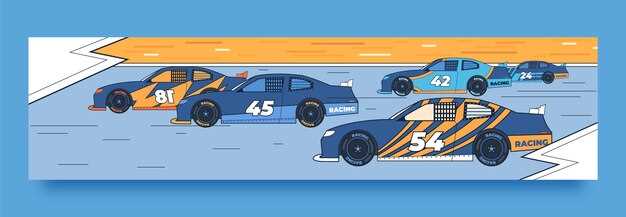
Track racing can be an exhilarating experience, but for beginners, choosing the right car is crucial. Entry-level cars provide an ideal platform for novices to hone their skills while enjoying the thrill of competitive driving. These vehicles are designed to be accessible, offering a balance between performance and ease of handling that makes them perfect for those just starting out.
In this article, we will explore some of the top entry-level cars that are well-suited for beginners in track racing. These models are known for their reliability, affordability, and performance capabilities, allowing new drivers to build confidence in a structured environment. Selecting a suitable car not only boosts the learning experience but also enhances enjoyment on the track.
From lightweight coupes to sporty hatchbacks, the right entry-level car can make all the difference in a beginner’s journey into the world of track racing. With the right choice, new racers can develop their skills effectively while enjoying the camaraderie and excitement that the racing community offers.
Top Budget-Friendly Racing Cars for Entry-Level Drivers

For those embarking on their track racing journey, finding the right car is crucial. Budget-friendly options can provide the thrill of racing without breaking the bank. Here are some of the best choices for entry-level drivers seeking economical cars that perform well on the track.
The Mazda MX-5 Miata stands out as an excellent choice for beginners. Its lightweight design and rear-wheel drive make it an agile performer. The responsive handling and balanced chassis allow entry-level drivers to develop their skills comfortably and confidently.
Another solid option is the Ford Mustang EcoBoost. This variant offers a turbocharged four-cylinder engine that delivers ample power while maintaining affordability. Its larger size compared to other entry-level vehicles provides a stable platform, making it easier for new drivers to manage high speeds on the track.
The Subaru BRZ and its twin, the Toyota 86, are also great entry-level cars. With a low center of gravity and rear-wheel drive layout, these cars are built for enthusiastic driving. The direct steering response and predictable handling help new racers learn the fundamentals of track driving effectively.
For those looking for something more compact, the Honda Civic Si offers a spirited performance at an accessible price. With a turbocharged engine and well-tuned suspension, it’s a practical choice that doesn’t compromise on excitement, making it ideal for those starting in motorsports.
Lastly, the Hyundai Veloster N presents a unique option for beginners. Its distinctive design and sporty features, combined with solid performance, make it suitable for entry-level drivers. The adjustable chassis settings allow newbies to experiment with their driving style as they gain experience.
In conclusion, entry-level drivers don’t need to spend a fortune to find a suitable racing vehicle. These budget-friendly cars offer excellent handling characteristics, reliable performance, and are perfect for honing driving skills on the track.
Key Features to Look for in Beginner Track Racing Vehicles
When entering the world of track racing, selecting the right vehicle is crucial for both performance and enjoyment. For beginners, it’s important to focus on specific features that enhance learning and performance while remaining manageable.
1. Entry-Level Performance
Choose cars that provide a balanced performance profile suitable for novice drivers. Entry-level racing vehicles should have adequate horsepower without overwhelming the driver. This enables beginners to develop their skills gradually, honing their driving techniques without the risk of losing control.
2. Weight Distribution
Optimal weight distribution enhances handling and stability on the track. Vehicles with a low center of gravity and balanced weight help beginners maintain control during cornering and acceleration, contributing to a more rewarding racing experience.
3. Reliability and Maintenance
New drivers should focus on cars known for reliability. Simple mechanical setups and easy maintenance facilitate frequent usage without extensive downtime. Beginner-friendly vehicles allow racers to invest more time in learning rather than fixing or maintaining their cars.
4. Adjustable Suspension
Adjustable suspension systems are beneficial for beginners as they allow customization based on personal preference and track conditions. This feature helps new drivers understand handling dynamics and how different settings affect performance, aiding in skill development.
5. Safety Features
Safety is paramount in racing, especially for beginners. Look for vehicles equipped with essential safety features such as roll cages, advanced braking systems, and harnesses. These elements provide peace of mind and allow new drivers to focus on improving their racing skills.
6. Driver Feedback and Feel
A car that communicates effectively with its driver is essential. Choose vehicles that offer responsive steering, clear feedback through the pedals, and a connection with the road. This feedback enhances the learning experience and fosters confidence on the track.
7. Cost-Effectiveness
Finally, consider the overall cost, including not just the purchase price but also insurance, parts, and tire maintenance. Affordable entry-level racing cars allow beginners to experiment and improve their racing without financial strain, ensuring a positive introduction to the sport.
Maintaining Your First Track Racing Car: Tips and Tricks

Maintaining your first track racing car is essential for ensuring optimal performance and longevity. Regular maintenance can prevent mechanical failures and enhance your overall racing experience.
Start with a comprehensive inspection of the key components. Check the tires for wear and proper pressure, as they significantly affect grip and handling on the track. Tires should be replaced when they show signs of excessive wear, and it’s vital to use tires suited for racing conditions.
Next, focus on the engine. Regular oil changes are crucial; use high-quality synthetic oil that withstands the high temperatures produced during racing. Monitor fluid levels, including coolant and brake fluid, as these directly impact engine performance and safety.
Brake maintenance is critical. Check the brake pads and rotors frequently; they wear down faster under racing conditions. Invest in performance brake pads designed for track use to ensure consistent stopping power during races.
Pay attention to the suspension system. Regularly inspect shocks and struts for leaks and performance issues, as a well-tuned suspension can significantly improve handling and cornering ability.
Don’t overlook electrical systems. Ensure that the battery is strong and fully charged, as racing can drain it quickly. Check all connections and fuses to avoid unexpected electrical failures on the track.
Finally, clean and detail your racing car regularly. Removing dirt and grime not only enhances aesthetics but also allows you to spot potential issues before they escalate. Keeping the car clean can also reduce the risk of failure during races.
By following these maintenance tips and tricks, you can ensure your first track racing car performs at its best, providing an enjoyable and safe racing experience.


