

When it comes to purchasing a high-performance vehicle, understanding the intricacies of financing can significantly impact your overall ownership experience. These cars often come with a hefty price tag, making it crucial to explore various financing options that suit your budget and driving aspirations. By implementing effective strategies, you can ensure that your investment in performance meets your financial capabilities.
One of the first steps in financing your dream car is to assess your financial situation. Evaluating your credit score and determining how much you can afford as a down payment will give you a clearer picture of what financing options are available. High-performance vehicles may require a larger deposit compared to standard cars, so having your finances in order is essential for securing the best loan terms.
Additionally, consider the total cost of ownership when financing a high-performance vehicle. This includes not only the monthly loan payments but also insurance, maintenance, and fuel costs. Some lenders may offer specific loan programs tailored for luxury and performance cars, which can provide favorable interest rates and terms. By carefully weighing your options and being informed about the financial implications, you can make a well-rounded decision that aligns with your passion for speed without compromising your fiscal responsibility.
Understanding Auto Loans: Key Factors That Affect Your Credit Score
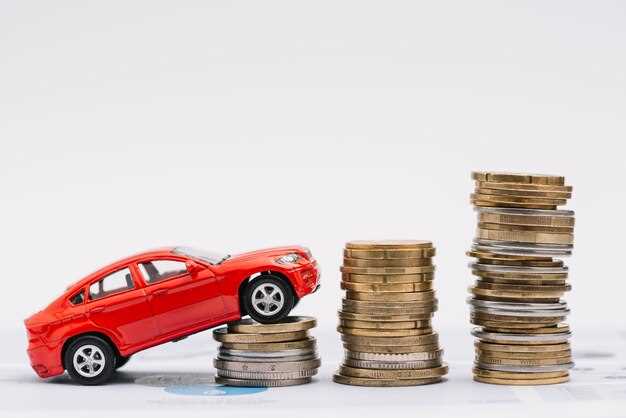
When financing a car, understanding how auto loans impact your credit score is essential for making informed decisions. Here are key factors to consider:
- Payment History: This is the most significant factor affecting your credit score. Timely payments on your auto loan demonstrate responsibility, positively influencing your score.
- Credit Utilization: This metric reflects the ratio of your current credit card balances to your credit limits. Keeping your credit utilization low can enhance your score, especially when taking out an auto loan.
- Length of Credit History: The duration of your credit accounts plays a crucial role. Longer credit histories typically result in better scores, so maintaining older accounts while taking on new ones can be beneficial.
- New Credit Inquiries: Every time you apply for an auto loan, the lender executes a hard inquiry on your credit report. Multiple inquiries within a short period may negatively affect your score, so it’s wise to limit applications.
- Credit Mix: A variety of credit accounts (credit cards, mortgages, and installment loans) can positively impact your credit score. Successfully managing different types of credit, including an auto loan, can help improve your overall rating.
Understanding these factors can guide you in financially managing your high-performance vehicle. Keeping your credit score in good shape not only aids in securing favorable loan terms but also influences other financial opportunities and costs.
Exploring Lease Options vs. Buying: Which Works Best for High-Performance Cars?

When considering a high-performance car, potential buyers often face the dilemma of choosing between leasing and purchasing. Each option has distinct advantages and disadvantages that can significantly impact your financial situation and driving experience.
Leasing a high-performance vehicle typically requires a lower initial down payment compared to buying outright. This makes it an appealing option for those who want to drive a luxury car without committing a large sum of credit upfront. Lease agreements usually offer lower monthly payments than traditional financing, which can be attractive, especially for budget-conscious enthusiasts who still want access to premium vehicles.
Additionally, leasing often allows drivers to enjoy a new car every few years. This is particularly beneficial for high-performance cars, as technological advancements and performance enhancements are frequently updated. With a lease, you can drive the latest model without worrying about depreciation or resale value in the long run.
However, leasing does come with mileage restrictions and potential fees for excessive wear and tear, which can be a downside for performance-oriented drivers who appreciate taking their cars to the track or on long drives. Buyers must also consider the long-term financial implications, as leasing means that you will not own the car at the end of the term.
On the other hand, buying a high-performance car enables full ownership. Once the vehicle is paid off, you have the freedom to modify it, drive it as much as you want, and ultimately benefit from its resale value. This option often makes more sense for enthusiasts looking to invest in a collector’s item or a vehicle with potential appreciation over time.
Purchasing a car generally involves higher monthly payments and a more significant initial investment. However, it allows for the use of equity towards future purchases and the flexibility to sell or trade in the car when desired. Financing options can also vary, with competitive interest rates available for buyers with good credit, making it easier to integrate into your budget.
In conclusion, whether leasing or buying a high-performance car is the better option ultimately depends on your financial situation, driving habits, and personal preferences. Consider your credit standing, how often you wish to upgrade, and the intended use of the vehicle before making a decision. Both paths have their merits, and an informed choice can lead to an exhilarating driving experience that suits your lifestyle.
How to Secure the Best Interest Rates for Your Performance Vehicle Financing
Securing the best interest rates for financing your high-performance car requires a strategic approach. Begin by checking your credit score, as lenders use this figure to determine your eligibility for favorable rates. A higher credit score generally translates to lower interest rates, so consider improving your score before applying.
Next, research various lenders and their offerings. Traditional banks, credit unions, and specialized auto finance companies often provide different rates and terms. Comparing multiple options allows you to identify the most competitive rates available. Additionally, consider pre-approval from lenders, as this process can give you a clearer picture of what interest rates you may qualify for and strengthen your negotiating position.
Understanding the type of financing you need is crucial. Opt for a shorter loan term if possible, as shorter terms often have lower interest rates. While monthly payments may be higher, you will pay less in interest over the life of the loan. Moreover, be prepared to make a larger down payment to decrease the financed amount, which can also lead to better interest rates.
Consider timing your purchase strategically. Interest rates can fluctuate based on market conditions, so keeping an eye on economic trends may help you secure a lower rate. Additionally, try to shop for financing options during promotional periods when lenders may offer special rates for high-performance vehicles.
Lastly, negotiate with lenders. Don’t be afraid to leverage offers from competing financial institutions, as they may be willing to match or beat the best rate you’ve found. Effective negotiation can lead to significant savings, allowing you to finance your performance vehicle more affordably.


